Standing still, like a cassette frozen in time—witnessing and reimagining.
Fragmented Geography
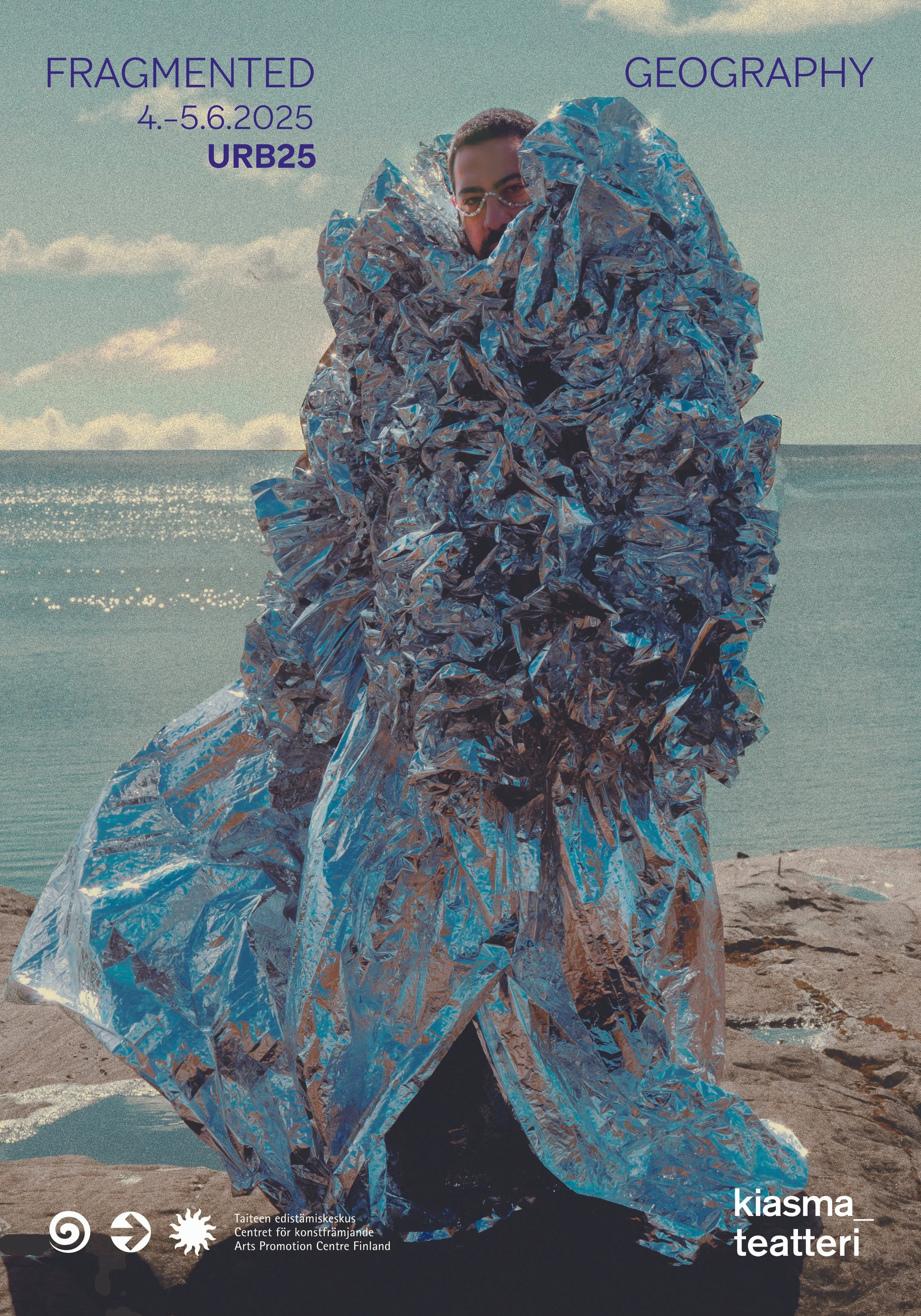
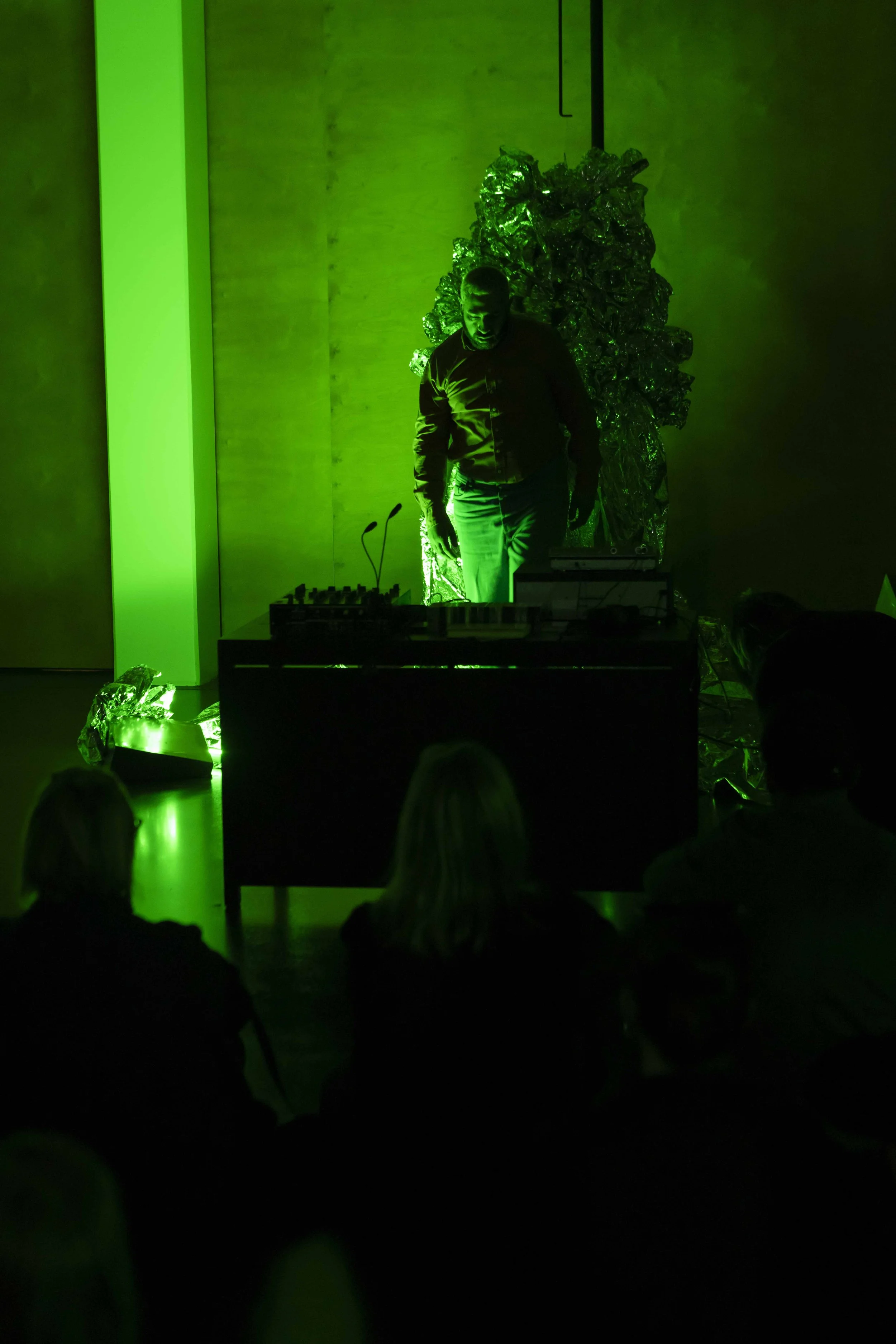
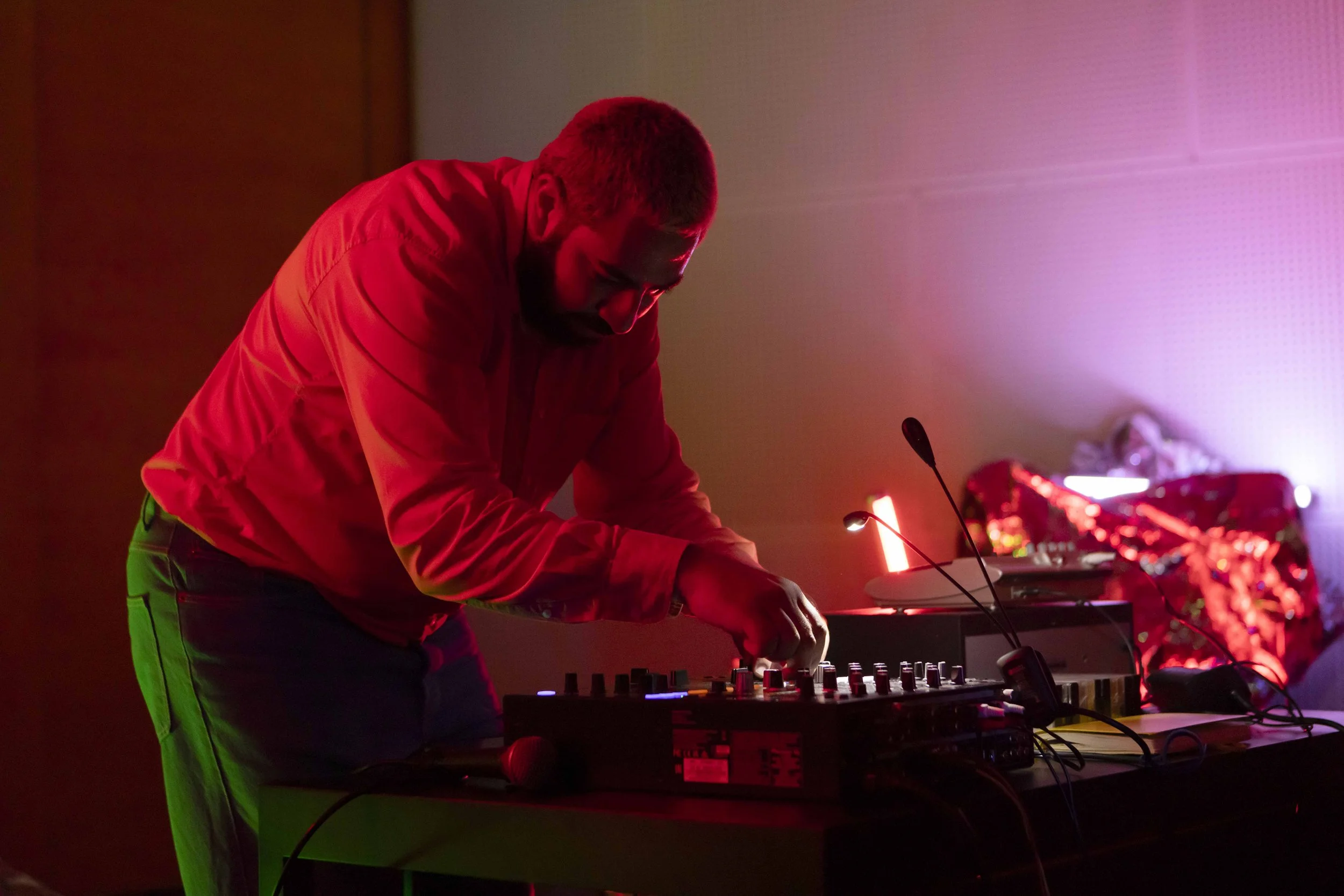
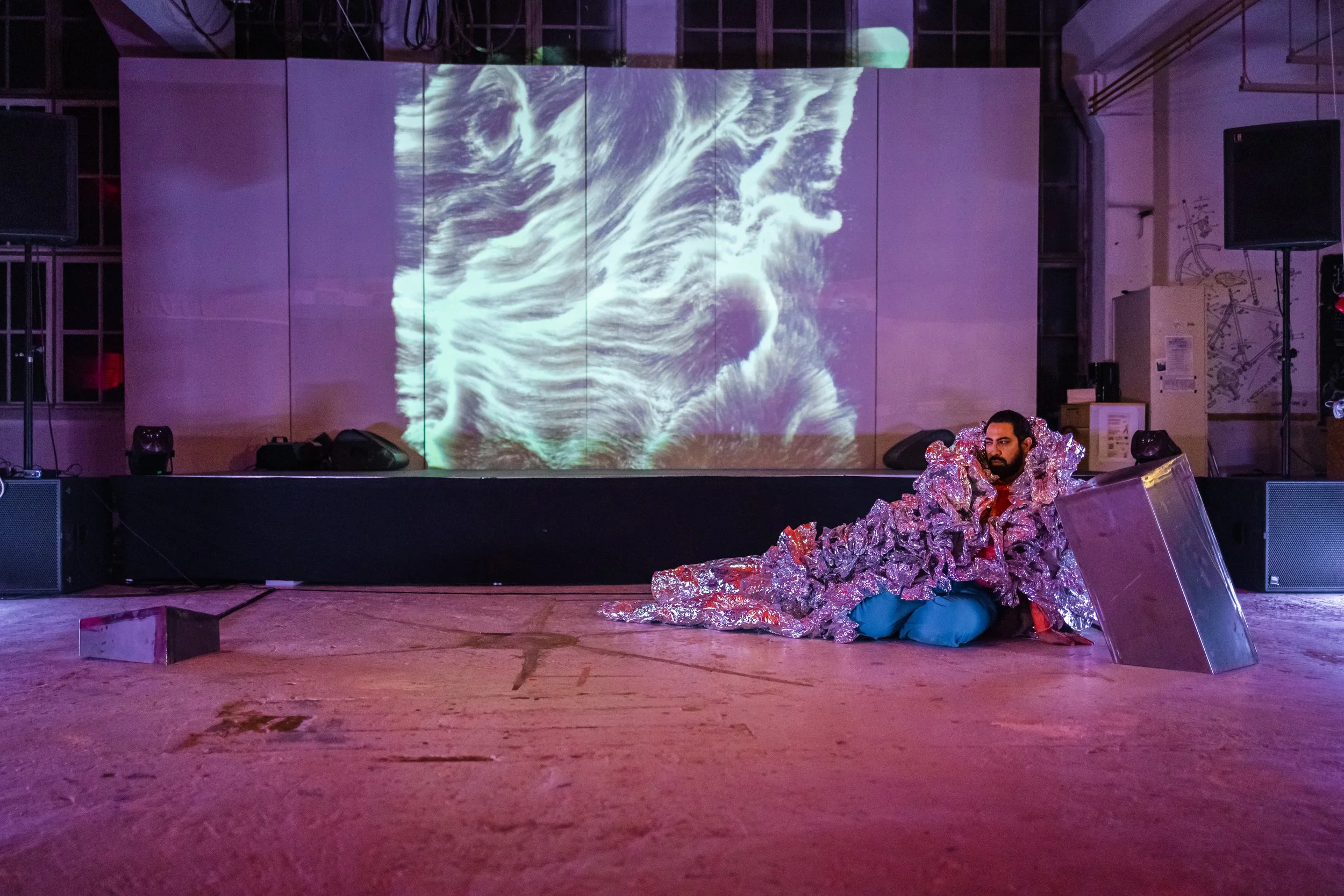
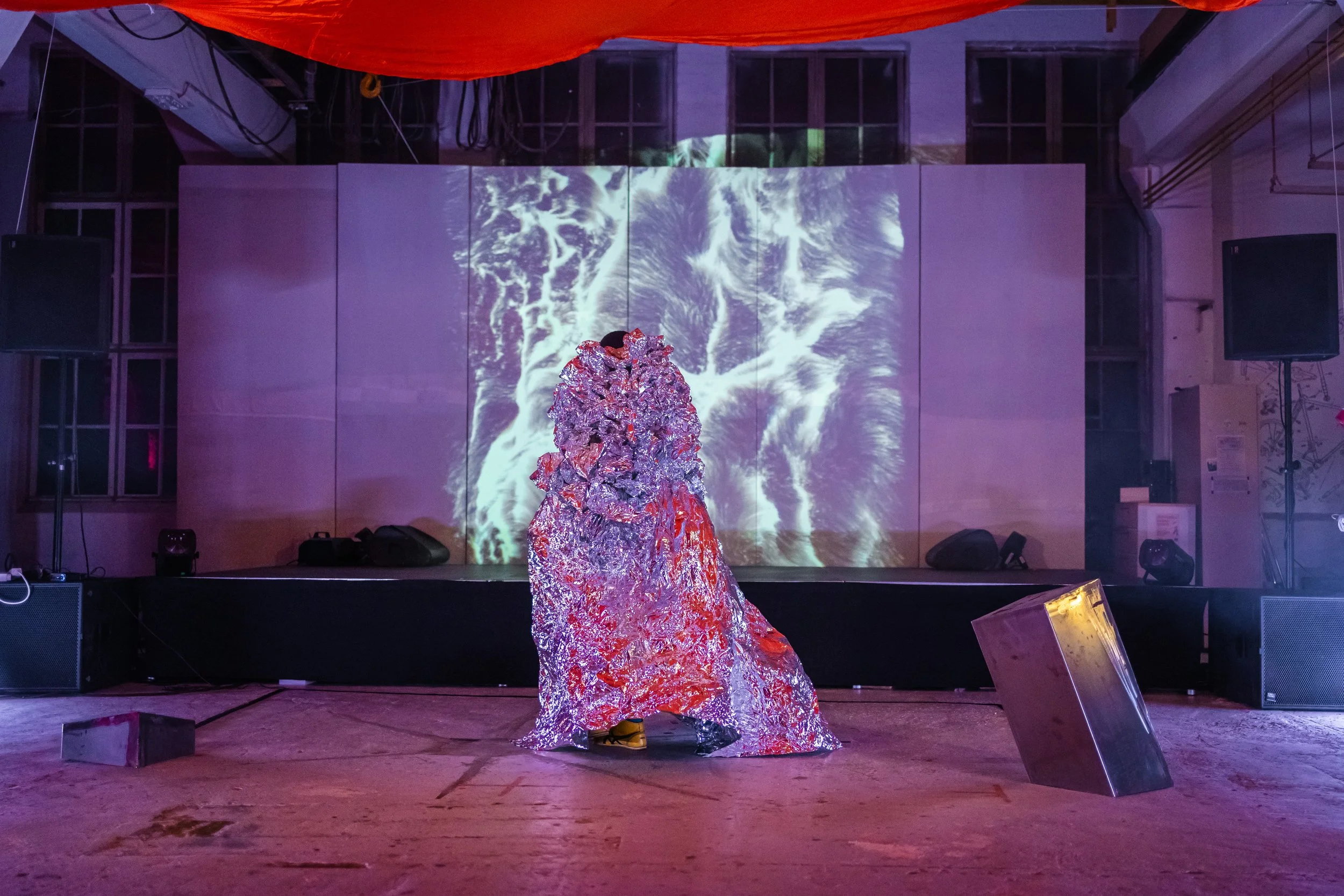
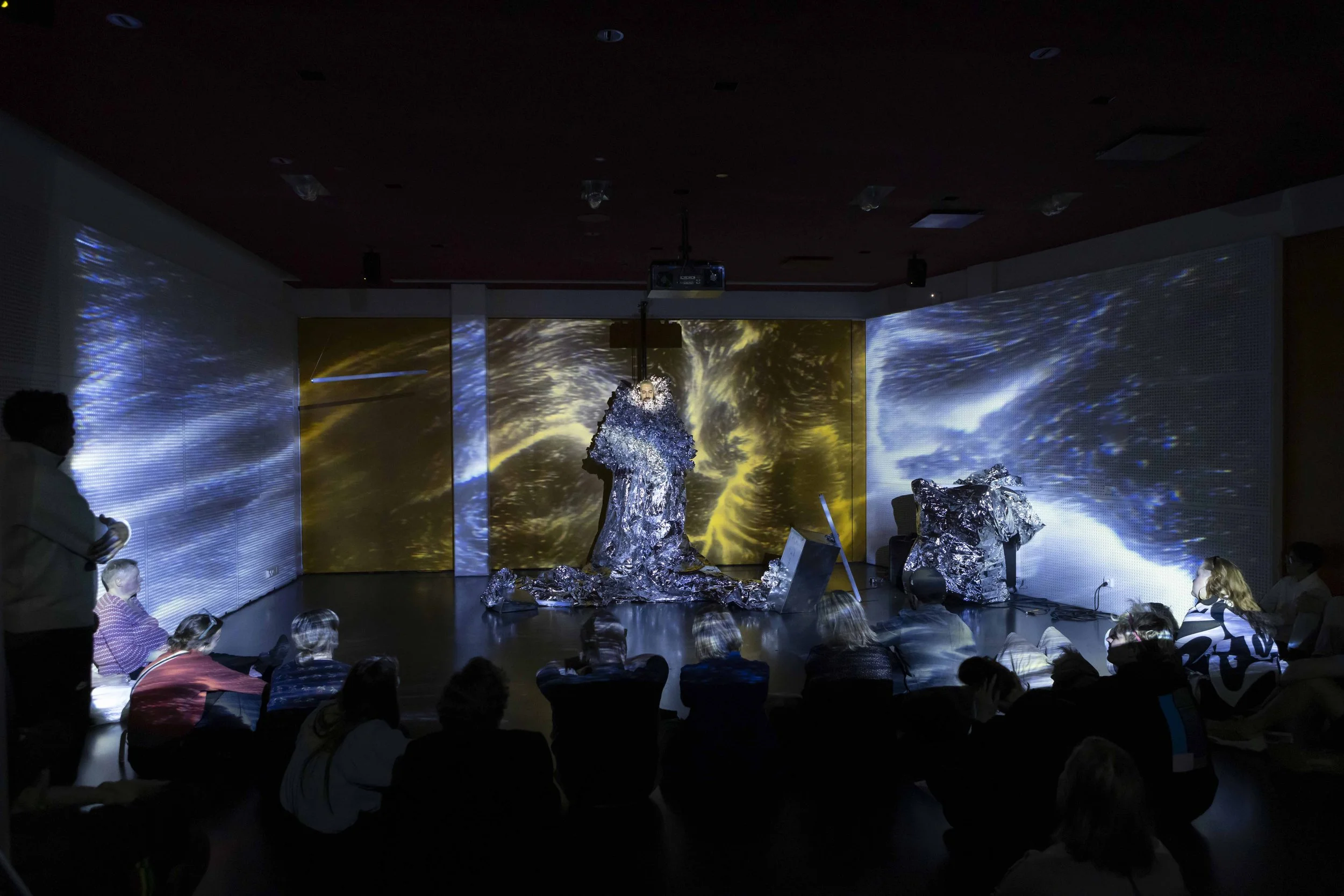
Fragmented Geography is a performance, an installation, a party, and a memory to keep with you for later. It refers to the geopolitics of how sound—whether music, speech, environmental noise, or silence—is shaped by and shapes political, social, and spatial dynamics across regions and borders. It examines the ways in which sound functions within power structures, migration, resistance, and identity formation.
“Fragmented Geography is creating a queer rupture in colonial temporality.”
The artist uses the format of cassette tapes as a form of sonic resistance, diasporic memory, and postcolonial reverberation. Playing Arabic pop music from the 1980s inside a European art institution creates an intentional rupture in the space’s sonic order. The cassette, as a medium, becomes a counter-archive, its hiss, grain, and lo-fi warmth resisting the pristine, sterile soundscapes of “contemporary art.”
The cassette becomes a device for conjuring [Heimat], a German word means homeland or home. However, the reason the artist choose this term [Heimat] is because it describes a state of belonging and its definition is not limited to a geographical place.
[Heimat] is a philosophical question of identity to every diasporic Palestinian body that floats into fragmented geography. As the german poet and philosopher Novalis claimed that philosophy is a desire to be everwhere at home [die Philosophie sei eigentlich Heimweh- Trieb, überall zu Hause zu sein]
[Heimat] is not as geography, but as sound. It collapses the distance between past and present, East and West, interior and exterior. From a queer perspective, the act of DJing Arabic music via cassette tapes holds fragments of desire, dance, and longing. It isn’t just about sharing, it’s about calling for lovers, friends, countries, and time that no longer exist. Playing these tapes is not nostalgia, it’s an act of insurgent presence. It says: this is my history, this is my joy, this is my noise.